Dreaming of sunrise launches, sunset cruises, and a warm winter base in the desert? A second home in Lake Havasu City can deliver that lifestyle, but it also comes with rules, costs, and a few desert-specific responsibilities. If you plan well, you can enjoy the lake life and manage the home from anywhere. In this guide, you’ll learn what to expect with ownership, from utilities and maintenance to short-term rental rules and remote closing options. Let’s dive in.
Lake Havasu second-home lifestyle
Lake Havasu City has a true season. Winter and spring bring mild weather and snowbird arrivals. Spring break, boating season, and holiday weekends see spikes in visitors and boat traffic. Summer is very hot, so plan for indoor time mid-day and evening time on the water.
Local events and holiday weekends drive demand for lodging and ramp up activity on the lake. If you plan to rent the home on a short-term basis, those peaks can influence pricing and availability.
Property types and community rules
Home styles and amenities
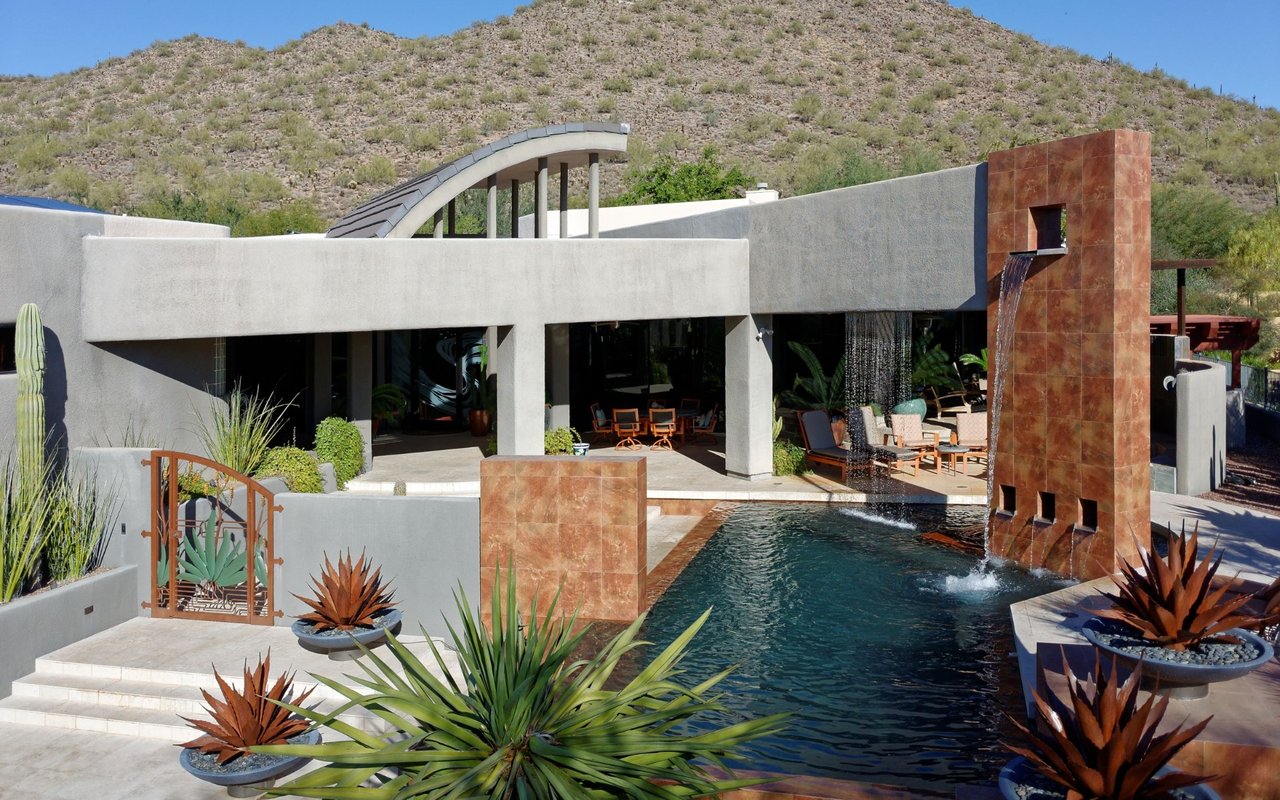
You’ll find single-level stucco homes with tile or metal roofs, desert-modern designs, and many homes built for outdoor living. Patios, shade structures, RV garages, and boat parking are common. Condo and townhome communities often include shared pools and, in some cases, access to boat slips.
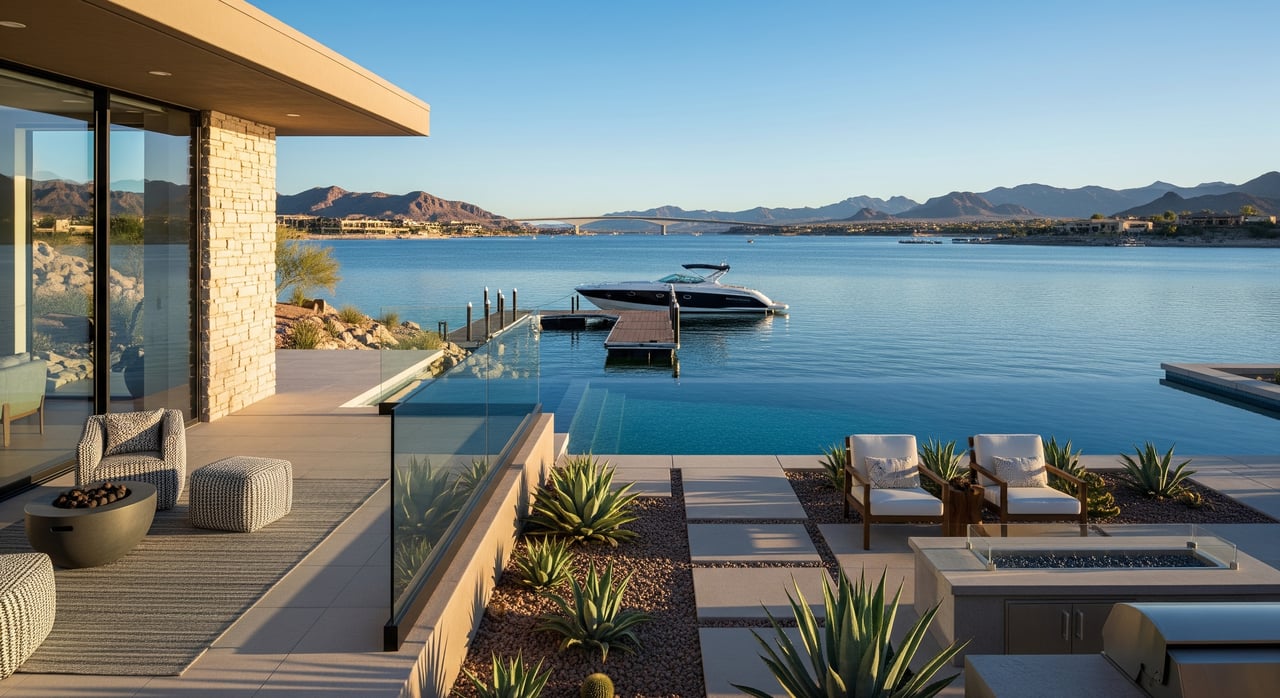
If you want lake or canal access, look closely at private docks and slips. Docks can require permits, and associations often have rules about use, hours, and maintenance.
HOAs: what to review
If a property sits in a homeowners association, ask for the CC&Rs, bylaws, budgets, reserve studies, and recent meeting minutes. Look for rules on rentals, parking, boat and RV storage, exterior modifications, and quiet hours. Review budgets and reserves to understand current dues and whether special assessments are likely.
Short‑term rental basics
Short-term rentals are common, but they require compliance with city rules and any HOA restrictions. Check the City of Lake Havasu City’s official site for current licensing and local ordinances. You can start at the City of Lake Havasu City site and the published municipal code to confirm occupancy, parking, noise, trash, and permit or license requirements.
Arizona also requires the collection and remittance of lodging-related taxes when you rent short term. Review guidance from the Arizona Department of Revenue and verify current procedures before you list your home. Finally, if you earn rental income in Arizona but live elsewhere, talk with a tax advisor about possible Arizona filing obligations.
What it costs to own
Property taxes
Arizona’s effective tax rates are generally below the national average, but actual bills depend on assessed value and local levies. For an estimate, confirm the parcel’s assessed value and view tax history with the Mohave County Assessor and Treasurer. Second homes typically do not qualify for primary residence exemptions.
Insurance and flood considerations
You’ll need standard homeowners insurance and should confirm coverage for wind, hail, water backup, and liability around docks or pools. Flood insurance is separate. If the lot falls in a Special Flood Hazard Area, your lender may require flood coverage. You can check a property’s flood zone at the FEMA Flood Map Service Center.
Utilities and services
Electricity use runs high in summer because air conditioning is essential. Ask the seller or the utility provider for historical usage to set expectations. For water and wastewater service and any seasonal conservation schedules, start with the City of Lake Havasu City site and its water department pages. Plan for regular trash service and, in some areas, private hauling.
Maintenance and property management
Budget for A/C servicing, roof and stucco upkeep, exterior repainting, pool service, irrigation repairs, pest control, and periodic deep cleanings. If you will not be local, a property manager can coordinate vendors, check the home after storms, and handle guest turnover if you rent. Ask for a written scope of services, fee schedule, and response times for emergencies.
Desert climate maintenance
Cooling systems
Schedule annual HVAC inspections and change filters on time. High summer loads shorten the life of compressors and capacitors. Consider a smart thermostat and remote monitoring so you can track temperatures and receive alerts.
Pools and water features
Pools need regular service and chemical balancing. In hot months, dust and algae can become issues. If you travel during peak heat, keep weekly service and confirm that the equipment pad has shade and clear drainage.
Exterior durability
The sun can fade paint and decking, and UV weakens outdoor fabrics. Choose desert-rated materials and finishes, and plan on more frequent repainting than in cooler climates. Shade structures and window treatments help protect interiors, too.
Pests and landscaping
Schedule routine pest control. Seal obvious entry points and store perishables in sealed containers. For landscaping, xeriscape and drip irrigation reduce water use and maintenance. Check city watering schedules if restrictions are in place.
Risk checks before you buy
- Flood and shoreline: Pull FEMA flood maps for the parcel and consider flood insurance even if it is not required. For waterfront, ask about shoreline erosion, dock permits, and lake level impacts on usability. Use the FEMA Flood Map Service Center to verify.
- Water access and docks: Confirm who owns any dock, slip, or boathouse, and whether permits are current. Review HOA rules if applicable.
- Wildfire and brush: Evaluate defensible space around the home and confirm insurer requirements.
- Permits and rentals: Verify local licensing, occupancy, and parking rules with the City and review the municipal code if you plan to rent.
Remote ownership and closing
Virtual touring and inspections
If you live out of town, request 3D tours or live video walk-throughs. Ask for detailed photos of the roof, HVAC label plates, pool equipment, electrical panels, and utility meters. Hire an independent inspector and, if needed, request contractor quotes for any major items found.
Closing from anywhere
Arizona supports electronic signatures on many real estate documents, and many title companies offer eClosing options. Some lenders still require in-person signings, so confirm title and lender requirements early. Always verify wiring instructions directly with your title company on a known phone number before sending funds.
Monitoring and vacancy
Use smart locks and unique guest codes if you rent. Consider cameras on the exterior where allowed by law and HOA rules. Arrange periodic walkthroughs during long vacancies to catch leaks, A/C failures, or pest activity early.
Quick-start buyer checklist
- Verify the utility providers for the address and request historical electric and water usage.
- Obtain HOA CC&Rs, budgets, reserve studies, and recent meeting minutes.
- Confirm city-level short-term rental rules and any HOA restrictions.
- Order a full home inspection with extra focus on HVAC, roof, pool systems, and electrical.
- Check flood zone status and insurance needs via FEMA maps.
- Ask the seller for recent utility bills, insurance claim history, and receipts for major repairs or upgrades.
- Get quotes from insurance agents for homeowner and, if relevant, flood coverage before making an offer.
- Interview at least two local property managers about fees and inspection routines.
- Confirm the title company’s eSigning or eClosing capabilities and verify wire protocols in writing.
How The Modern Desert Group helps
Buying a second home from a distance should feel straightforward. Our team pairs local expertise with modern tools so you can evaluate properties with confidence. We arrange professional photography, 3D tours, and live video walk-throughs, and we coordinate inspections, insurance quotes, and HOA document reviews.
If you plan to rent seasonally, we share vetted property manager and vendor introductions and help you navigate city and HOA rules. For sellers who want speed and certainty, we offer strategic quick-sale programs and cash-offer options. Whether you are an out-of-state buyer or a local owner planning your next move, our concierge approach keeps each step clear and on schedule.
Ready to explore the lake life with a plan that fits how you travel and invest? Connect with Jen Gesick to start your Lake Havasu second-home search with confidence.
FAQs
What are the biggest ongoing costs of a Lake Havasu second home?
- Expect property taxes, homeowners insurance, possible flood insurance, HOA dues if applicable, utilities with high summer cooling costs, regular maintenance (A/C, pool, exterior, pest control), and optional property management fees.
Can you short‑term rent a second home in Lake Havasu City?
- Often yes, but you must follow city licensing and operational rules and any HOA restrictions. Review the City of Lake Havasu City, check the municipal code, and confirm lodging tax requirements with the Arizona Department of Revenue.
Do you need flood insurance for a lakefront or canal‑area property?
- Lenders require it if the parcel is in a Special Flood Hazard Area. Even outside mapped zones, consider coverage near washes or shoreline. Check your property’s status at the FEMA Flood Map Service Center.
How do HOAs in Lake Havasu City affect boats or RVs?
- Many associations regulate parking, storage, and exterior changes. Review CC&Rs and recent meeting minutes to confirm the rules and any pending policy changes before you buy.
Is remote closing available for out‑of‑state buyers in Arizona?
- Many title companies support eSignatures and eClosings, but some lenders still require in-person signing. Confirm the process with your title company and lender early and follow wire fraud prevention steps.