A Scottsdale second home can be an incredible lifestyle upgrade, but a smooth purchase usually starts long before you write an offer. If you are buying from Phoenix, Southern California, or farther away, you are likely balancing lifestyle goals, upkeep, carrying costs, and the realities of owning from a distance. This roadmap will help you sort through the big decisions, avoid common surprises, and move forward with more confidence. Let’s dive in.
Start With How You’ll Use It
Before you compare floor plans or finishes, get clear on how you want the home to function. In Scottsdale, second-home buyers often fall into three broad patterns: golf-oriented, resort-oriented, and urban lock-and-leave.
If you want a walkable, amenity-rich setting, Old Town is often the first place to study. The city describes Old Town as Scottsdale’s cultural, historic, commercial, and tourism center, and Experience Scottsdale notes that it includes nine walkable and bikeable districts with restaurants, galleries, shopping, nightlife, and historic sites.
If you want more of a vacation-style atmosphere, the Scottsdale Road Resort Corridor may fit better. City streetscape guidelines identify the stretch from Chaparral Road to Mountain View Road as the Resort Corridor, where resort character is the dominant design theme.
If golf is central to your plans, Scottsdale has deep inventory tied to that lifestyle. Experience Scottsdale says the greater area has 51 golf courses, which helps explain why many second-home buyers start with golf access and nearby amenities as top priorities.
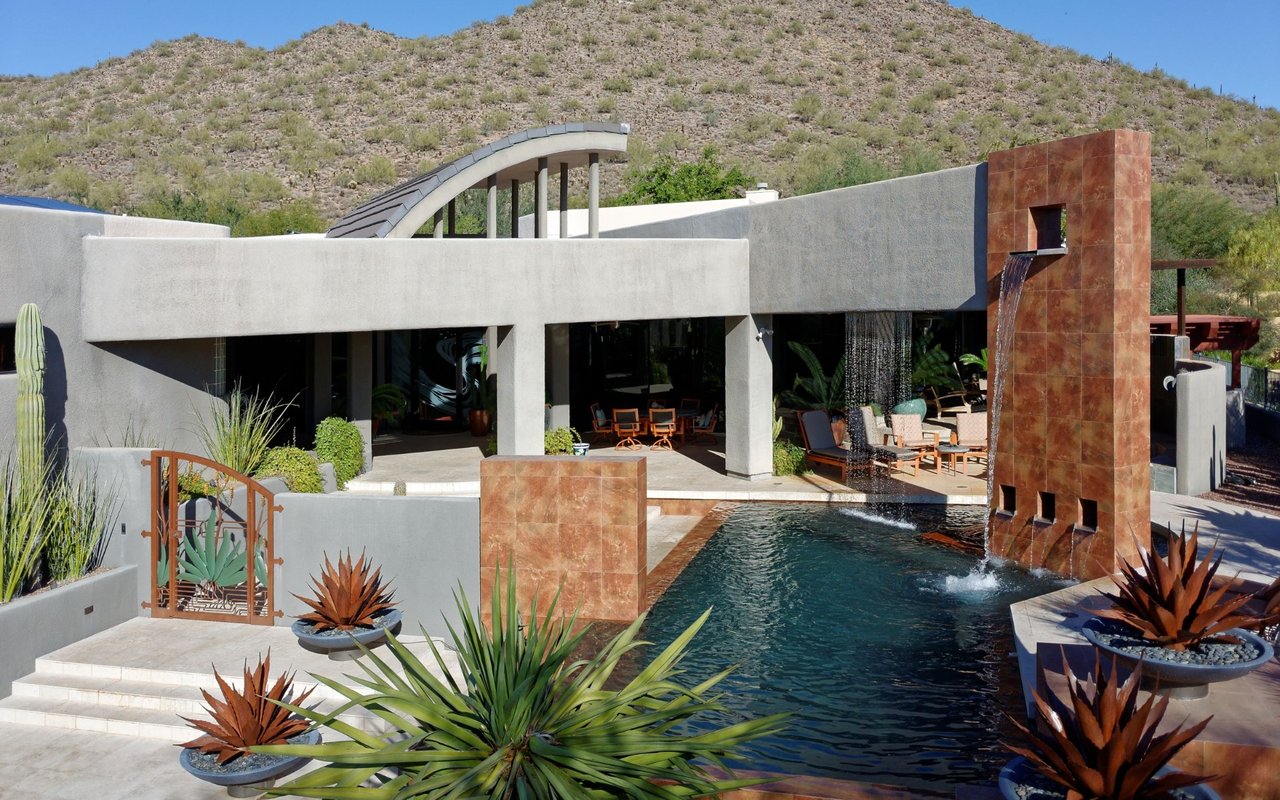
Scottsdale also promotes its Sonoran Desert setting, 314 average sunny days, and large preserve system. That outdoor lifestyle is a big reason many buyers prioritize lock-and-leave convenience, views, seasonal use, and easy access to recreation.
Compare Condo And Single-Family Ownership
One of the biggest second-home decisions is whether you want a condo or townhome, or a single-family home. This is not just about price point. It is about how much control, flexibility, and maintenance you want.
A condo or townhome can be appealing if you want simpler day-to-day upkeep while you are away. For many second-home buyers, that lower hands-on feel supports an easier lock-and-leave ownership style.
A single-family home may offer more privacy, outdoor space, and flexibility. That can be a better fit if you want room to spread out, more exterior use, or fewer shared elements.
The tradeoff is that Arizona condo purchases come with important documents to review. Under Arizona law, the resale packet must include items such as the declaration, bylaws, rules, common expense assessments, reserve information, insurance details, and litigation disclosures.
That review matters because HOA rules can shape how easy the home is to use from afar. Arizona’s buyer checklist advises reviewing CC&Rs carefully, since they may restrict things like landscaping, RV parking, play equipment, satellite antennas, and other amenities.
If rental use is part of your plan, do not assume city rules are the only rules that matter. Scottsdale notes that private deed restrictions may regulate short-term rentals, and the city cannot enforce those private restrictions. In practice, that means HOA rules or deed restrictions may be stricter than city code.
Build Your True Carrying-Cost Budget
A smooth second-home purchase depends on a realistic budget, not just a comfortable purchase price. Your monthly and annual ownership costs can change significantly depending on property type, tax treatment, HOA obligations, and whether you plan to rent the home.
In Arizona, property taxes are handled locally. The county assessor values the property, and the bill is calculated using assessed value multiplied by the overall tax rate. Property taxes are usually billed in two installments due October 1 and March 1.
Property classification also matters. Arizona class 3 property is an owner’s primary residence, while class 4 includes residential property not otherwise classified, including residential property used solely as leased or rented property. Because second-home use can affect classification, buyers should confirm the parcel’s current treatment with the county assessor instead of assuming how it will be classified.
If you are buying a condo or townhome, remember that the monthly cost is not only your mortgage payment. Common expense assessments, reserves, and potential special assessments can all affect your true carrying cost.
For any property, Arizona’s buyer guidance also recommends checking floodplain exposure, termite history, water availability, and whether the property uses sewer or septic. In a desert market, these details can have a real impact on long-term ownership comfort and costs.
Know The Rental Rules Before Closing
Many second-home buyers at least want the option to rent the property at some point. If that is part of your strategy, confirm the rules before closing so your ownership plan matches your intended use.
Scottsdale states that short-term and vacation rentals are allowed by-right in all residential districts. Even so, owners still need to follow city, county, and state requirements, and private HOA or deed restrictions may still limit rental use.
If the home will be rented for fewer than 30 days, Scottsdale requires an annual city license for each property. The city says the license fee is $250 per property, and owners must also have a valid Arizona transaction privilege tax license, provide neighbor notification, and carry at least $500,000 in liability insurance.
The city also says all vacation and short-term rentals must be registered with Maricopa County. In addition, Scottsdale short-term rentals pay city privilege tax and transient tax, so rental income planning should include those costs from the start.
Use rules also matter. Scottsdale limits occupancy to a maximum family size of 6 adults and their related dependent children, and properties with a pool, hot tub, or spa may need to meet additional pool barrier requirements for short-term rentals.
The key takeaway is simple: do not treat rental potential as a bonus assumption. Verify licensing, registration, insurance, taxes, occupancy limits, and private restrictions before you buy.
Make A Remote Purchase Easier
If you are buying from out of town, the right process can make the transaction feel much more manageable. Scottsdale second-home buyers often need a closing plan that works smoothly across distance, scheduling, and multiple service providers.
Arizona allows remote online notarization. The Arizona Secretary of State says remote notarization uses audiovisual technology, the notary must be physically located in Arizona, and the fee cannot exceed the normal notarial cap of $10 per act.
On the recording side, Maricopa County offers digital recording and says that more than 90% of documents are recorded digitally. The recorder also notes that it does not provide legal advice or notary services, which means your title company or attorney should coordinate the closing mechanics.
For remote buyers, that coordination matters just as much as the legal ability to sign online. A smooth closing depends on your lender, title company, and recording workflow staying aligned from start to finish.
Arizona’s buyer checklist also highlights another important point: the seller’s broker represents the seller, not the buyer. The checklist recommends using a buyer’s broker, and that can be especially helpful when you are trying to manage disclosures, inspections, timelines, and closing details from a distance.
Stay Focused On Due Diligence
Second homes can feel more emotional than primary homes because you are also buying a lifestyle. That is exactly why due diligence matters.
For resale homes, Arizona advises buyers to read the seller’s property disclosure report carefully and keep close track of inspection deadlines. If you are buying new construction, the Public Report must be provided before you sign the purchase contract.
For any Scottsdale property, pay close attention to the practical items that affect ownership after the excitement wears off. Floodplain status, water availability, termite history, sewer or septic service, irrigation systems, CC&Rs, and maintenance responsibilities all deserve a close look.
If you plan to own from afar, local support also matters. Scottsdale’s short-term rental rules require owners to keep emergency contact information current and respond promptly to complaints or neighborhood concerns. Even if you are not renting the home, having a reliable local point of contact is still a smart way to reduce friction.
Common Scottsdale Second-Home Surprises
A few issues catch second-home buyers off guard more often than others. If you plan ahead for these, your purchase is more likely to feel smooth and predictable.
HOA Rules Can Override Your Assumptions
City rules are only one layer. HOA rules and private deed restrictions may be stricter on rentals, parking, exterior changes, and amenity use.
Low-Maintenance Does Not Mean Low-Cost
A condo may reduce hands-on upkeep, but it can still carry assessments, reserve obligations, and possible special assessments. Review the full association package, not just the monthly dues figure.
Desert Due Diligence Is Real
Floodplain status, termite history, water availability, and utility setup can all shape your long-term satisfaction. These are not small details in a desert market.
Rental Use Needs A Full Compliance Check
If income potential matters to you, confirm city licensing, tax registration, insurance, county registration, occupancy rules, and private restrictions before you close. That way, your use plan and your legal path stay aligned.
A Scottsdale second-home purchase should feel exciting, not uncertain. With the right strategy, clear due diligence, and a process built for remote buyers, you can narrow the right setting, budget accurately, and move through closing with fewer surprises. If you want a polished, concierge-level buying experience with local guidance and clear communication from start to finish, connect with Jen Gesick.
FAQs
What is the best Scottsdale area for a second home?
- The best fit depends on how you plan to use the home. Old Town often appeals to buyers who want walkability and easy access to dining, shopping, galleries, and nightlife, while the Scottsdale Road Resort Corridor may fit buyers looking for a resort-style setting.
What should Scottsdale condo buyers review before buying a second home?
- Review the full Arizona condo resale packet, including the declaration, bylaws, rules, assessments, reserves, insurance information, and any litigation disclosures, along with CC&Rs that may affect how you use the property.
Are short-term rentals allowed for second homes in Scottsdale?
- Scottsdale says short-term and vacation rentals are allowed by-right in residential districts, but owners still must follow city, county, and state rules, and HOA or deed restrictions may be more restrictive.
What costs should Scottsdale second-home buyers budget for?
- Budget for more than the mortgage payment, including property taxes, HOA dues if applicable, reserve or special assessment exposure, insurance, utilities, and any rental-related licensing, tax, and compliance costs if you plan to rent the home.
Can you buy a Scottsdale second home remotely?
- Yes. Arizona allows remote online notarization, and Maricopa County supports digital recording, but your lender, title company, and closing team still need to coordinate the process carefully.
Why is local due diligence important for Scottsdale second homes?
- Arizona buyer guidance recommends checking items like floodplain exposure, water availability, termite history, sewer or septic service, and CC&Rs, all of which can affect ownership costs and ease of use over time.