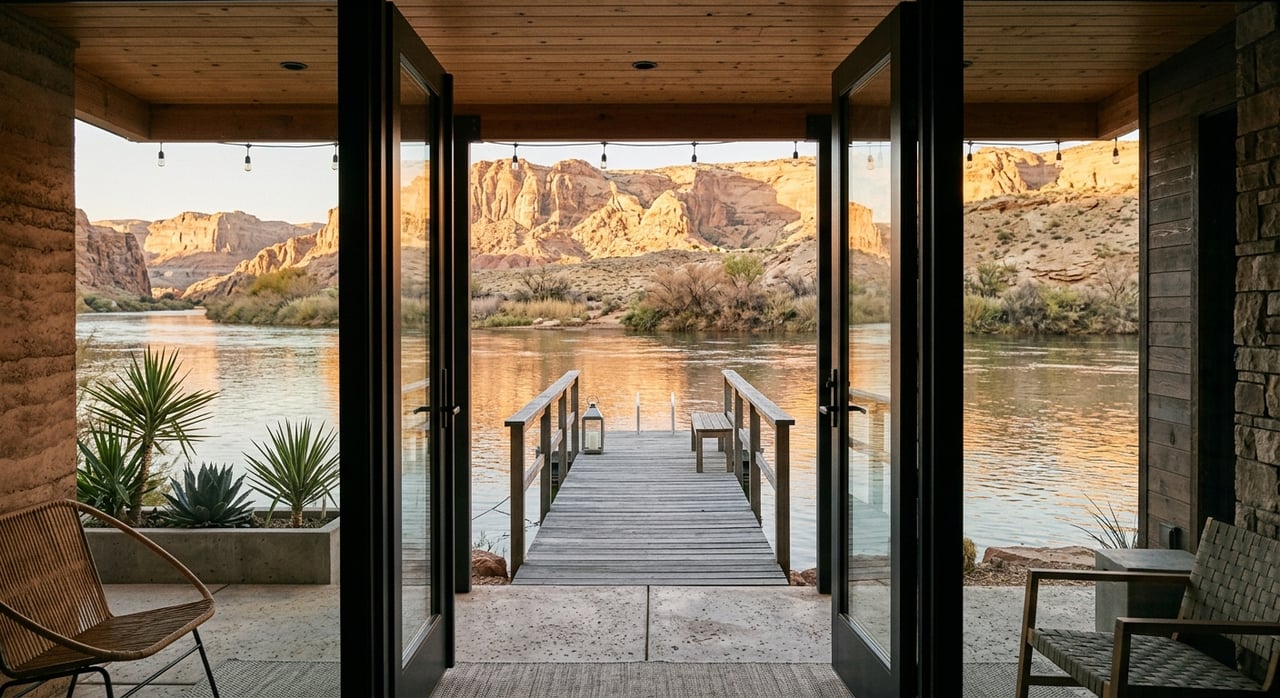
Dreaming about a place on the Colorado River? In Parker, that dream can look a few different ways, from true riverfront homes to properties with shared launches or nearby public access. If you are considering a riverfront or river-access home here, it helps to know what ownership actually looks like day to day. This guide will walk you through the lifestyle, property types, and due diligence points that matter most so you can buy with more clarity and confidence. Let’s dive in.
Why Parker draws river-home buyers
Parker is closely tied to the Colorado River corridor, and the Parker Strip is widely recognized as a roughly 16 to 16.5-mile stretch between Parker Dam and Headgate Rock Dam, depending on the official source. Local agencies consistently frame the area as a water-recreation destination and a market shaped by winter visitors and seasonal use. That combination gives Parker a very specific appeal if you want a home centered on boating, fishing, or easy access to the river.
Climate also plays a major role in how people use these properties. NOAA climate normals for Parker show average highs of 108.4°F in July and 107.6°F in August, with mild winter temperatures and just 4.57 inches of annual precipitation. In real terms, that often means summer revolves around the water, while cooler months make the area especially appealing for seasonal stays and winter visits.
The year-round recreation pattern is well documented. The Bureau of Land Management notes intense use throughout the year, with summer as the main season for boating and water sports and winter bringing long-term RV demand. If you are buying here, it is smart to think not just about the home itself, but about how you plan to use it across seasons.
What river access can mean
One of the biggest misunderstandings buyers can run into is assuming that “river-access” always means private shoreline or a private dock. In Parker, access often comes through shared amenities or nearby public launch points rather than private, deeded river frontage. That distinction matters because it affects convenience, storage needs, maintenance, and long-term expectations.
Official public-access examples in the area include River Island State Park, which offers a sandy beach, cove, and boat launch area, as well as Buckskin Mountain State Park and BlueWater Resort & Casino marina facilities. That means a home may still support a strong river lifestyle even if the parcel itself does not include a private dock. For many buyers, the real question is whether the access setup matches how often and how easily you want to get on the water.
It is also important to remember that the Colorado River is used jointly by Arizona and California boaters. Buckskin Mountain State Park specifically notes that both states share jurisdiction over the river, so boaters should understand the rules that apply on both sides. If your lifestyle centers on boating, this is part of ownership, not just a visitor detail.
Property types you may encounter
Parker-area river properties are not limited to one housing style. According to La Paz County zoning regulations, buyers may encounter site-built residential homes, manufactured home subdivision districts, recreational vehicle subdivision districts, and modular or manufactured home park districts. That variety can create opportunity, but it also means you need to understand exactly what you are buying.
In some cases, a property may function more like a seasonal basecamp than a traditional year-round house. In others, it may be a conventional single-family home with river-oriented amenities and storage. The structure type affects financing, insurance, permits, and future improvement plans, so it should be confirmed early in your search.
La Paz County also requires a placement permit for manufactured homes, park models, containers, or RVs placed on privately owned parcels. The county further states that manufactured homes built before June 15, 1976, cannot be placed anywhere in the county. If you are evaluating a non-site-built property, permit history and structure compliance are key parts of due diligence.
Seasonal living in Parker
For many buyers, Parker works best as a second home or seasonal getaway. Local and county sources describe the area as a winter-visitor market, while summer brings the heaviest boating and watersports activity. That rhythm can be a major plus if you want a property that supports both active summer weekends and milder winter escapes.
River Island State Park describes summer as especially popular for boating, fishing, jet skiing, swimming, and camping, while winter visitors enjoy the mild climate for camping and fishing. The park is open year-round, which reflects the broader pattern of continuous use in the area. In other words, Parker is not just a one-season destination, but your ownership experience may still feel very different in July than it does in December.
If you are considering full-time occupancy, you will want to look beyond the lifestyle appeal. Daily access, utility setup, sewer service, and year-round comfort matter more when the home is your primary residence rather than a seasonal retreat. That does not make one approach better than the other, but it does change what should be at the top of your checklist.
Floodplain and insurance issues to review
If you are buying near the river, floodplain review should be expected. La Paz County’s floodplain management resources include floodplain permits, checklists for construction in flood zones, forms for substantial improvements, and elevation certificate guidance. That tells you something important right away: flood-zone status is not a small side note for riverfront ownership here.
FEMA defines a Special Flood Hazard Area as a flood-prone area where floodplain regulations must be enforced and where mandatory flood insurance purchase applies in certain financed situations. FEMA also notes that standard homeowners insurance typically does not cover flood damage and that NFIP policies usually carry a 30-day waiting period. If a property is in a higher-risk flood area, you will want to understand the map designation, insurance implications, and any restrictions on future improvements before you commit.
This is especially important if you plan to remodel, elevate, expand, or replace a structure. A property that looks straightforward at first glance may come with added review requirements once you start planning upgrades. The earlier you verify those conditions, the fewer surprises you face later.
Access, permits, and parcel details
River lifestyle properties often come with assumptions, and assumptions are where buyers can get into trouble. Access should be verified, not inferred from a listing description or a quick site visit. That is especially true if a property is marketed as river-access rather than direct riverfront.
La Paz County states that newly rezoned or newly created parcels need legal access, and its process relies on recorded agreements and subdivision approvals. The county’s right-of-way guidance supports confirming the parcel’s legal access path rather than assuming shoreline or launch rights come with ownership. If access is a deciding factor for you, recorded documentation matters.
A smart buyer will also verify whether river use is private, shared, or based on nearby public access. Those are very different ownership experiences. The right fit depends on your goals, but clarity on that point is essential before you close.
Sewer and service questions to ask early
Service infrastructure is another area where early research pays off. According to La Paz County sanitary sewer information, Colorado River Joint Venture serves the Town of Parker and portions of the CRIT reservation, while Buckskin Sanitary District serves the area between the reservation and Parker Dam. Which provider applies can affect planning, especially if you are thinking about changes to the property.
That issue matters even more because the Town of Parker reported in 2025 that the joint sewer system was at capacity and adopted an indefinite moratorium on new connections until repairs restore capacity. If a property may need a new sewer hookup or major redevelopment, that should be verified directly before you rely on it for full-time occupancy or future plans. For some buyers, this may have little impact. For others, it could be a major decision point.
Boat ownership means extra maintenance
Owning near the river often goes hand in hand with owning watercraft, and that brings another layer of responsibility. The BLM’s aquatic invasive species guidance explains that vessels launched, moored, docked, or trailered along the Parker Strip may transport invasive species. It also notes that quagga mussels can damage boat motors and increase maintenance needs at marinas, dams, and shoreline structures.
BLM recommends the clean, drain, dry process and offers free vessel decontamination at the Rock House Recreation Area. That is useful practical information if you plan to boat regularly. It is also a reminder that river-home ownership is about more than views and access. It includes upkeep, compliance, and protecting the waterway you came here to enjoy.
A practical Parker buyer checklist
If you are seriously considering a riverfront or river-access home in Parker, focus on the details that affect day-to-day use and long-term ownership.
Here is a simple checklist to keep in mind:
- Confirm the parcel’s legal access
- Verify whether the home type requires or previously required a placement permit
- Check the FEMA flood zone and ask about insurance implications
- Identify the sewer provider and whether any connection limits apply
- Verify whether water access is private, shared, or nearby public access
- Match the property setup to your intended use, whether seasonal or full-time
When those basics are clear, it becomes much easier to compare homes on more than just photos or location. You can evaluate how the property will actually function for you.
Buying with a clearer strategy
A Parker river property can be a fantastic fit if you love water recreation, seasonal flexibility, and the distinct lifestyle of the Colorado River corridor. The key is making sure the type of access, structure, and utility setup match your plans from the start. That is where careful local guidance can save time and reduce risk.
If you want help sorting through riverfront versus river-access options in Parker, connecting lifestyle goals to the right property type, or navigating a long-distance move, Jen Gesick can help you approach the search with clarity and confidence.
FAQs
What does river-access mean for a home in Parker?
- In Parker, river-access may mean shared amenities or nearby public launch options rather than private shoreline or a private dock, so you should verify the exact access rights tied to the property.
What property types are common for Parker river homes?
- Buyers may find site-built homes, manufactured home subdivisions, RV subdivision districts, and modular or manufactured home park settings, depending on the parcel and zoning.
What flood insurance issues matter for Parker riverfront homes?
- If a home is in a FEMA Special Flood Hazard Area, floodplain rules may apply and flood insurance may be required in certain financed situations, while standard homeowners insurance typically does not cover flood damage.
What should full-time buyers verify before buying in Parker?
- Full-time buyers should confirm legal access, sewer service, flood-zone status, structure permits, and whether the property’s water access setup supports everyday use.
What should boat owners know before buying a Parker river property?
- Boat owners should understand shared Arizona and California river-use rules and follow invasive-species prevention steps like clean, drain, dry to help avoid damage, fines, or quarantine issues.