Do you love clean lines, sunlit rooms, and an easy indoor–outdoor flow that fits real life in the Valley? If you’re eyeing Chandler, you’re in the right place. Here you’ll learn how desert‑modern architecture works with our climate, what outdoor features actually perform, how rebates can lower your water use, and what to check with permits, utilities, and HOAs. You’ll also see a market snapshot and practical buyer questions to bring to your next showing. Let’s dive in.
What desert‑modern means in Chandler
Climate that shapes design
Chandler sits in a hot‑desert climate with very hot summers and mild winters. Average highs sit in the low to mid 100s Fahrenheit in summer, with comfortable winter highs in the mid‑60s to 70s. You get very high sunshine and low annual rain, which is why shade, glazing, and material choices matter so much for comfort and costs. You can scan monthly averages for a quick feel for our seasons on the city’s visitor weather page and climate summaries at timeanddate.com.
Designers in the Valley plan around the National Weather Service’s 1991–2020 climate normals, which confirm strong summer cooling loads and modest precipitation. You’ll see those normals used to size overhangs and select glazing in hot‑dry climates. For reference, explore the NWS Phoenix climate normals. Also note the North American monsoon window of June 15 to September 30, which brings humidity, lightning, dust, and intense downpours that shape drainage and outdoor lighting plans. See the University of Arizona’s monsoon tracker overview for timing context.
Hallmark features buyers love
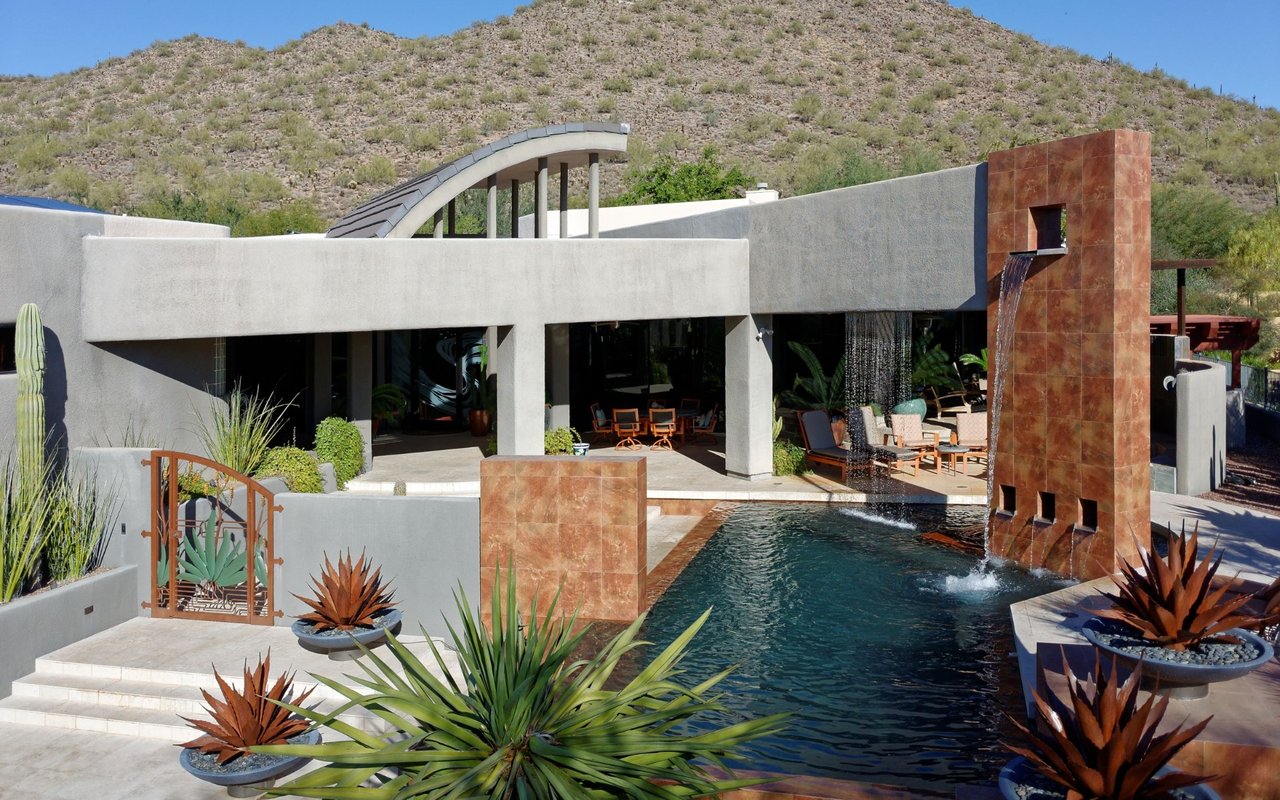
Most desert‑modern homes lean into open plans with visual continuity from kitchen to living to a shaded patio or courtyard. Oversized glass, stacking or pocketing doors, and a protected courtyard create a private exterior room that works for entertaining or quiet work time. Deep roof overhangs, pergolas, screens, and recessed windows limit direct sun while keeping spaces bright. Minimizing or shading west‑facing windows is a proven hot‑dry strategy, as outlined in this shading and solar‑gain guide.
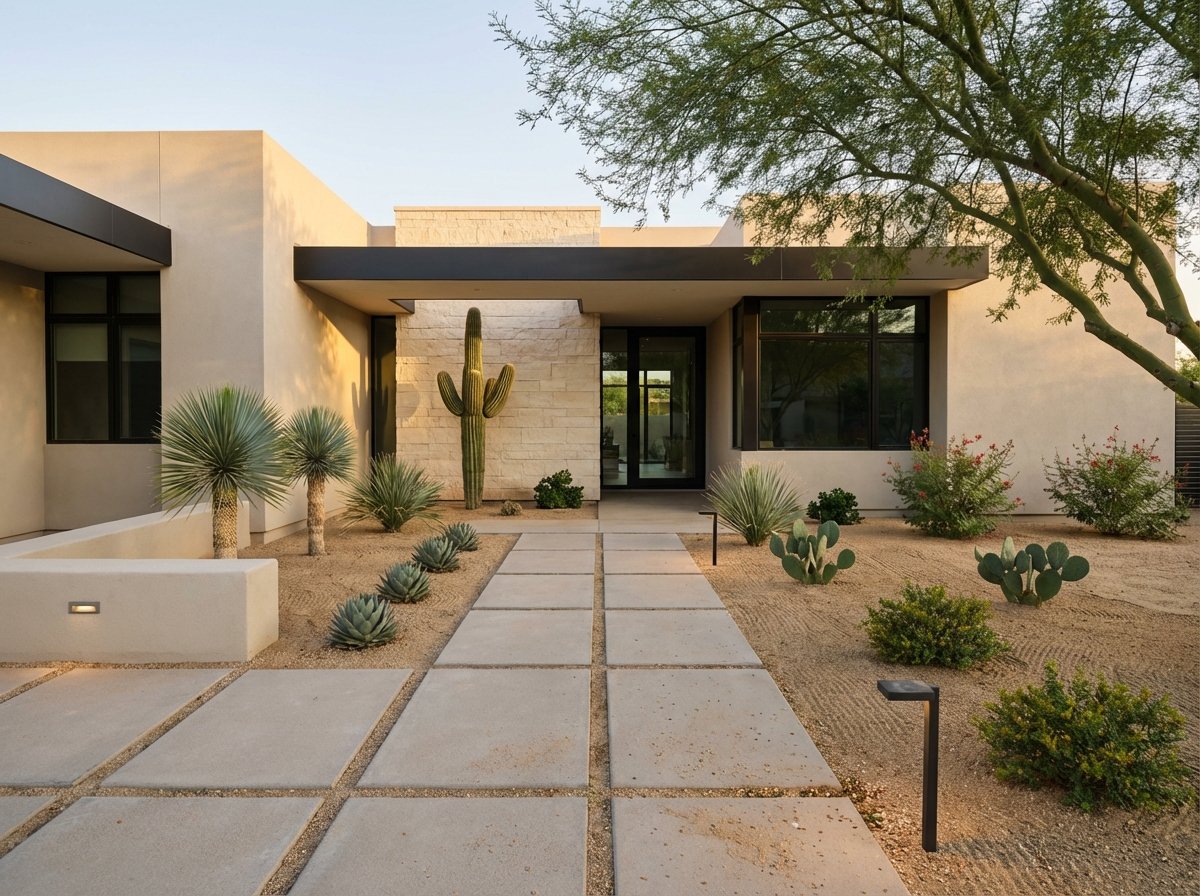
Materials matter here. You’ll often see smooth stucco or masonry, concrete or tile floors, metal accents, and low‑maintenance desert landscaping. These choices stand up to UV, heat, and dust while keeping upkeep simple.
Performance that keeps you cool
Look for high‑performance windows and doors with the right U‑factor and SHGC for our sun, plus tight insulation and reflective or high‑SRI roofs that act like “cool roofs.” Efficient HVAC paired with exterior shade can lower cooling loads. If you want a quick primer on how efficient fenestration supports comfort, review ENERGY STAR window basics through a manufacturer’s program overview.
Outdoor living that works year‑round
Chandler shines outdoors from roughly October through April, when daytime temps are pleasant and evenings feel crisp and social. Many modern homes extend the living space with covered patios, ceiling fans, and outdoor kitchens so you can host with ease. In the hottest months, think shade, misting, and nighttime gatherings when the sun is down. For a month‑by‑month feel for comfort, the local visitor bureau’s weather snapshot is a helpful guide.
During monsoon season, smart details pay off. Design in good drainage away from the house, secure shade structures, choose durable exterior finishes, and plan for protected lighting. A courtyard or wind‑screened patio can create a calmer microclimate when dust and gusts pick up.
Water‑wise yards and real rebates
Outdoor irrigation is the largest discretionary water use in our area. The City of Chandler estimates that converting a typical grass yard to xeriscape can save about 75,000 gallons per year, and smart irrigation controllers can save more. The city supports this shift with residential and large‑landscape rebate programs. Start with the city’s residential rebate overview to see what you might qualify for.
If you are removing grass at a single‑family home, Chandler’s Single‑Family Grass Removal Rebate pays $1.50 per square foot, up to $2,000, for eligible conversions. Pre‑approval is required before you start work and funds are limited on a first‑come, first‑served basis. The policy details coverage rules, plant list references, and documentation, and notes that artificial turf is generally not eligible for the residential rebate. Review the current residential rebate policy for the full steps and requirements.
Permits, utilities and HOAs: key checks
Planning a remodel, addition, or major exterior change? Build in time for Chandler’s permit and plan review. Large exterior projects and additions typically require submittals and inspections, so align your timeline early.
Electric utilities also matter. Most of central Arizona is served by SRP or APS, and each utility has its own efficiency offerings, rate plans, and interconnection rules for solar. Before you assume a rebate or export rate, confirm which utility serves the address and check current program rules. A quick entry point is this SRP efficiency programs summary.
Finally, many Chandler subdivisions have HOA design standards. These can control exterior colors, landscape materials, and front‑yard design. If you plan a xeriscape conversion or façade update, get the HOA guidelines at the start so your design, city approvals, and rebate steps stay in sync.
Market snapshot and where to look
Chandler offers a range of desert‑modern options, from sleek infill townhomes to custom estates in amenity neighborhoods. To give you a feel for prices, different data sources reported the following as of late 2025 and January 2026: Zillow’s ZHVI averaged about $516,460 with data through January 31, 2026, Redfin’s median sale price was about $489,250 for January 2026, and Realtor.com’s median listing price was about $525,000 for December 2025. Sources use different methodologies, so treat these as directional and always check a current CMA for the property you want.
If you like modern lines and an indoor–outdoor lifestyle, explore areas frequently featured in “contemporary” listings such as Ocotillo, Fulton Ranch, Solera, and select downtown Chandler infill. You’ll find single‑level plans with covered patios, lock‑and‑leave townhomes, and larger custom homes with courtyards and statement glass. Walkability, amenities, and lot size vary by neighborhood, so match the features to how you live.
Smart buying and remodel questions
Bring these checks to your next desert‑modern showing or planning session:
- Which utility serves the address, and what rate plan and interconnection rules apply if the home has or may add solar?
- Are there HOA design covenants that affect exterior materials or a grass‑to‑xeriscape conversion?
- How is the outdoor shade strategy handled on the west side and at large glass walls?
- What are the window specifications and installation date, and do you have manufacturer documentation?
- Is irrigation converted to drip with a smart controller, and when was it last tuned?
- For additions or exterior updates, what permits will be needed and how long is plan review taking right now?
Clean energy credits in 2026
As of February 16, 2026, the federal residential clean‑energy and energy‑efficiency credits that many homeowners used were curtailed for most expenditures after December 31, 2025. The IRS Form 5695 instructions detail the rules that applied through 2025, and subsequent 2025 reconciliation legislation adjusted the timing. Review the current IRS guidance in the Form 5695 instructions and see the legislative summary for Public Law 119‑21 on Congress.gov before assuming a federal incentive in your budget.
Ready to find your desert‑modern home?
You deserve a modern home that fits how you live, with climate‑smart design and low‑stress ownership. Our team pairs boutique guidance with fast, predictable results, including strategic 8 to 30 day listing programs, immediate and appraised‑value cash offers, and flexible leasebacks for sellers who value certainty. If you’re buying, we’ll help you target the right neighborhoods, inspect what matters, and negotiate with confidence. Start a conversation with Jen Gesick to map your next move.
FAQs
What months are most comfortable for outdoor living in Chandler?
- Outdoor living is most comfortable from roughly October through April, with summer better suited to shaded, ventilated spaces and evening use. A monthly comfort overview is available on the city’s visitor weather page.
How does monsoon season affect home and yard design in Chandler?
- The monsoon runs June 15 to September 30 and brings humidity, wind, lightning, dust, and heavy rain, so prioritize drainage, secure shade structures, durable finishes, and protected lighting. See the monsoon timing overview.
What is a typical Chandler xeriscape rebate for removing grass?
- The Single‑Family Grass Removal Rebate pays $1.50 per square foot up to $2,000, with pre‑approval required and funds processed first‑come, first‑served. Review eligibility on the city’s rebate overview and detailed policy.
What features define desert‑modern homes in Chandler?
- Expect open plans with large glass doors, deep overhangs and pergolas for shade, protected courtyards, durable low‑maintenance materials, and water‑wise landscaping that suits our hot‑dry climate. For shading best practices, see this solar‑gain guide.
Are federal solar or efficiency tax credits still available in 2026?
- As of February 16, 2026, most homeowner credits were not available for expenditures after December 31, 2025. Always confirm the latest rules in the IRS Form 5695 instructions before budgeting incentives.
Do I need HOA approval for front‑yard changes or exterior updates?
- Many Chandler subdivisions have HOA design standards that govern landscape materials and exterior colors, so obtain HOA guidelines and approvals before planning a xeriscape conversion or façade update to keep permits and rebates on track.